Is Cannabidiol a Controlled Substance? What the Law Says and What It Means for Readers and Writers
Short answer: it depends. In the United States, cannabidiol (CBD) derived from hemp and containing no more than 0.3% THC is not federally controlled…
Short answer: it depends. In the United States, cannabidiol (CBD) derived from hemp and containing no more than 0.3% THC is not federally controlled, while CBD from marijuana is. Other countries draw their own lines, and so do individual states and regions, so the same bottle of oil can be perfectly legal in one place and restricted in the next.
Three things decide where your CBD lands: where the plant came from (hemp or marijuana), how much THC the product contains, and where you live or travel. Get those three right and you’ve answered the question for yourself.
Here at WikiLivres, we know CBD turns up in more places than a pharmacy shelf. It shows up in memoirs about chronic pain, in wellness guides, in novels where a character quietly reaches for a tincture. Writers and readers alike deserve clear facts, so the story on the page doesn’t leave anyone with the wrong idea about what’s legal in real life. Let’s walk through what CBD is, who can access it, and where to turn for reliable answers.
What Cannabidiol Is and How the Law Treats It
Hemp-Derived vs. Marijuana-Derived CBD
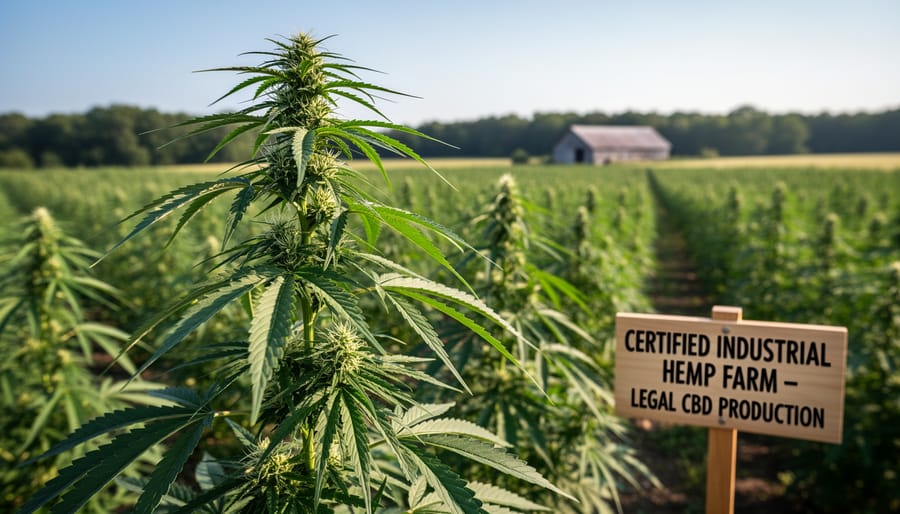
The same compound can be treated very differently depending on the plant it came from. In the US, federal law draws the line between hemp and marijuana: hemp is cannabis containing no more than 0.3% delta-9 THC by dry weight, and hemp-derived CBD generally falls outside the controlled substances list. CBD extracted from marijuana, meaning cannabis above that THC threshold, can still be treated as a controlled substance under federal law, even though the molecule itself is identical.
That is why the source matters so much. Chemically, you can’t tell the two apart by looking at a bottle. The legal difference lives in the paperwork, which is where labels and lab reports come in.
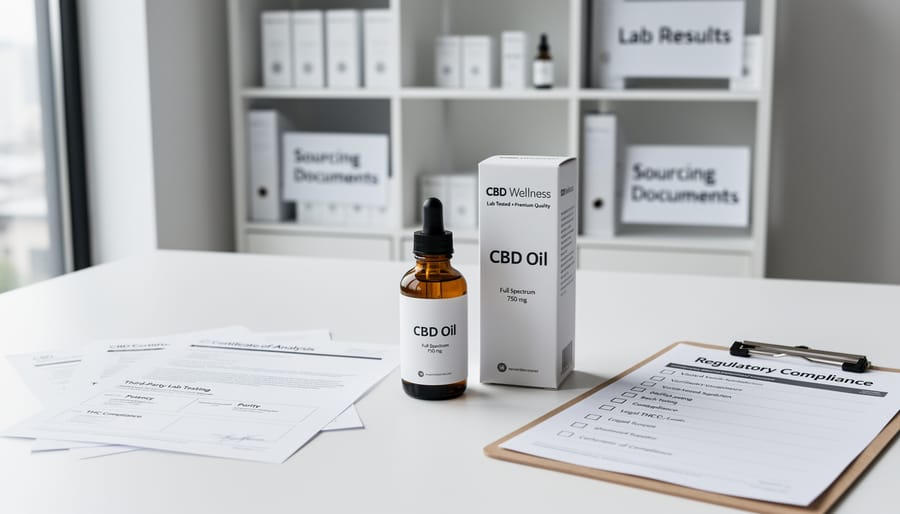
A trustworthy product label should tell you where the CBD came from and how much THC it contains. Even better, look for a certificate of analysis (often called a COA) from an independent lab, usually reachable through a QR code or the seller’s website. It confirms the THC level and can flag contaminants. If a seller can’t or won’t share one, that’s worth noticing.
Keep in mind that state and national rules add their own layers, so a product that is fine in one place may not be in another.
Who Can Legally Buy, Carry, or Use CBD: Eligibility and Limits
Whether a CBD product is lawful for you rarely comes down to a single rule. It’s usually a handful of factors stacking together, and the good news is that most of them are easy to check once you know what to look for.
Start with the source. Hemp-derived CBD that stays within the federal THC limit is treated very differently from CBD pulled from marijuana. Then comes the THC content itself, which is why a lab report (often called a certificate of analysis) is worth a quick look before you buy. Location matters just as much. Federal, state, and national rules don’t always agree, and some places add their own limits on forms, potency, or where products can be sold.
Age is another layer. Many retailers set their own minimum, and some local laws do too, so a shop may ask for ID even where the product itself is legal. Medical use adds one more wrinkle: a prescription CBD medicine follows a different path than an over-the-counter wellness product.
Here’s a general snapshot of common situations. Treat it as a starting point, not a verdict.
| Situation | General legal position | What to check before acting |
|---|---|---|
| Hemp-derived CBD where local law allows it | Generally lawful when THC stays under the legal limit | Lab report, THC percentage, seller’s age policy |
| Marijuana-derived CBD | Often restricted or tied to licensed programs | Your state or country’s rules and licensing |
| Traveling across borders | Varies widely; can be prohibited abroad | Destination and transit-country laws |
| Workplace drug testing | Employer policies apply regardless of legality | Your workplace policy and product THC content |
| Shipping or mailing CBD | Depends on carrier and local rules | Carrier policies and recipient’s location |
Workplace testing is worth a special mention. Even a lawful product with trace THC can matter if your employer has a strict policy, so it’s smart to ask rather than assume. Travel works the same way: what’s fine at home may not be fine across a border.
Everyone’s circumstances differ, and there’s no single right way to approach this. If your situation feels complicated, the official sources covered later in this article can help you confirm the current rules where you live.
Your Rights and Obligations Around CBD
Writing and Publishing About CBD Responsibly
If you’re writing about CBD, a little care protects both you and your readers. Start with your author purpose. Are you informing, sharing a personal story, or entertaining? That choice shapes how you handle any health or legal statements.
Here’s a practical checklist before you publish or promote:
- Avoid claiming CBD cures, treats, or prevents any disease.
- Add a short “not medical or legal advice” note near the front of the book.
- Cite reputable sources, and use consistent APA citations so readers can check your facts.
- Read the content and advertising rules of each platform and ad channel before you launch.
- Keep your wording balanced, and be clear when something is personal experience rather than established fact.
Rules for retailers and ad networks can be stricter than the law itself, so a quick check now saves headaches later. Talking with other writers helps too, and it’s worth taking time to build author connections who’ve handled sensitive topics before.
You don’t have to do it all alone. WikiLivres offers professional editing and marketing support for authors, from tightening your manuscript to shaping a promotion plan that stays on the right side of platform guidelines.
How CBD Shows Up in Books, and Why the Legal Question Matters to Readers
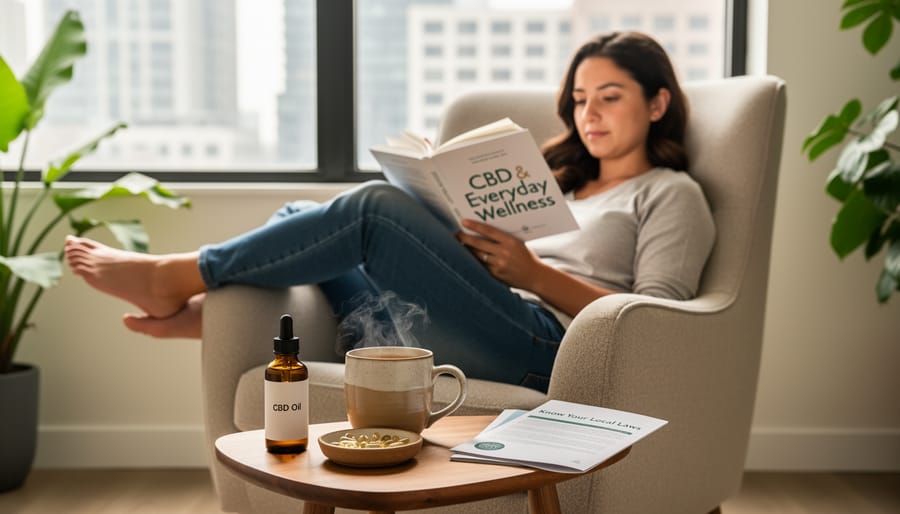
CBD has quietly worked its way onto bookshelves. Wellness and self-care guides often present it as part of a calming routine. Memoirs about managing pain, anxiety, or sleep sometimes mention it as one piece of a longer health journey. Cookbooks and lifestyle titles weave it into recipes, teas, and home rituals, while fiction may simply show a character reaching for a tincture the way another might pour a cup of chamomile.
So why does the legal question matter to a reader? Because a book captures a moment and a place. Advice written for one country, state, or year may not match the rules where you live today. A recipe that assumes easy access to a certain product, or a memoir set where regulations were looser or stricter, can leave you with the wrong idea about what is allowed now. Treat every book as a storyteller’s view, not a legal or medical guide, and check current official rules before acting on anything you read. A little healthy skepticism is a skill any thoughtful reader can build, much like the habits you develop through philosophy reading, where weighing an idea carefully matters as much as enjoying it.
This is also where our community shines. If you have come across a CBD-related read you loved, whether it is a thoughtful memoir, a cozy lifestyle book, or a novel that handled the topic with care, tell us about it on WikiLivres. Your recommendations help other readers find their next page-turner. And if you would rather receive suggestions, browse our curated lists or ask for ideas by genre, and we will help you find something that fits your taste.
Where to Get Reliable Help and Up-to-Date Answers
When the rules feel confusing, the best move is to go straight to the source. For federal questions in the US, the official websites of the FDA and the DEA are the places to confirm how CBD is regulated and whether a product category is allowed. If you live elsewhere, look for your own national health or drug-regulation agency, since the answer can look very different from one country to the next.
Closer to home, your state or provincial health department and agriculture department often publish plain-language guidance on hemp and CBD products. These offices matter because local rules can be stricter than national ones, and they’re usually the ones that tell you what is actually sold and enforced where you live.
Some questions are best handled by a person rather than a website. A licensed attorney can speak to legal risk, especially if you’re shipping products, crossing borders, or publishing marketing claims. A doctor or pharmacist can answer health questions, including how CBD might interact with medications you already take.
Finally, don’t overlook the sellers themselves. Reputable brands have responsive customer service and share third-party lab reports, so you can see what’s really in the bottle. Keep in mind that this article is general information, not legal or medical advice.
Common Questions About CBD and the Law
Readers often come away from the legal side of CBD with a handful of practical questions. Here are the ones that come up most, answered in general terms.
Is CBD legal in every state or country?
No. Rules vary widely by place, and a product that is lawful in one location can be restricted in another. Check your current national, state, or provincial rules before buying or carrying anything.
Can CBD show up on a drug test?
It can. Many products contain trace amounts of THC, and that may be enough to trigger a positive result, even when the label says “THC-free.” If testing matters to your job, ask your employer or a doctor first.
Can I mail or travel with CBD?
Sometimes, but rules differ across borders, airlines, and carriers. Confirm the requirements for both your starting point and your destination, and keep the product in its original packaging with its lab report handy.
Is CBD the same as marijuana?
Not exactly. CBD is one compound found in the cannabis plant, while marijuana usually refers to plant material with higher THC levels. The law often treats hemp-derived and marijuana-derived products differently.
As for writing or selling books about CBD, free expression generally covers discussing it, whether in a memoir, a wellness guide, or a novel. The caution comes with marketing: avoid promising cures, add a short note that your book isn’t medical or legal advice, and check the policies of any platform or ad channel you use.
For anything specific to your situation, the safest move is to go straight to the source. Official agency websites, a licensed attorney, or a pharmacist can give you answers that stay current long after an article like this one has been written.
So, is cannabidiol a controlled substance? The honest answer is that it depends. Where the CBD comes from, how much THC it contains, and the place you live or travel to all shape the picture. Hemp-derived products with very low THC sit in a very different legal spot than marijuana-derived ones, and rules can shift from one border, state, or province to the next.
Because laws change, it’s worth checking the current rules with official agencies, a licensed attorney, or a trusted health professional before you buy, carry, or write about CBD. Think of this article as a friendly starting point, not legal advice.
If this topic sparked your curiosity, keep exploring Cannabidiol in Literature right here on WikiLivres. Tell the community about the CBD-related books you’ve loved, whether wellness guides, memoirs, cookbooks, or novels. And if you’re not sure what to read next, browse our personalized recommendations and find a story that fits your mood.
About Author
