
Why Every Book Lover Should Know About the Bone Folder
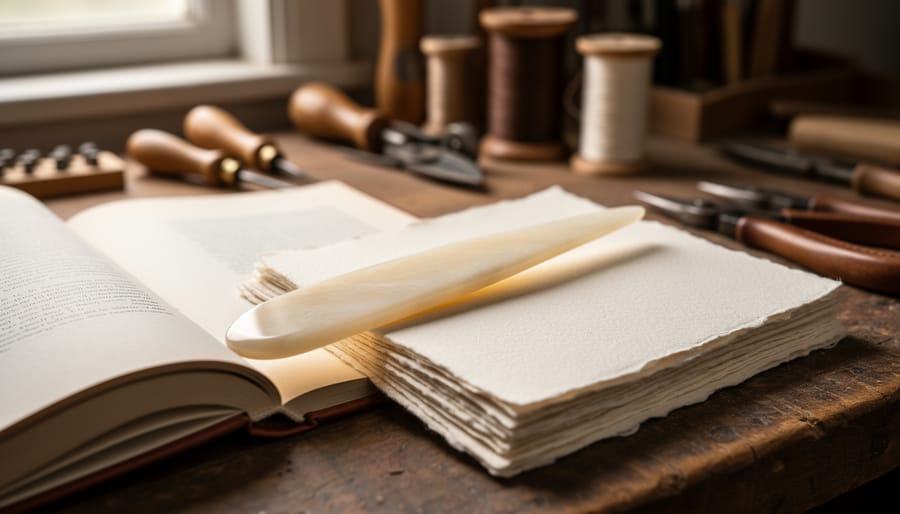
A bone folder is a smooth, flat hand tool traditionally made from animal bone (though modern versions often use plastic or Teflon) that book lovers use to score, crease, and burnish paper without tearing or marking it. If you’ve ever wondered how bookbinders create those crisp, professional-looking folds or how book artists achieve seamless adhesive bonds, this unassuming tool is the answer.
Despite its simplicity, the bone folder has remained largely unchanged for centuries because it works beautifully. The tool’s polished surface glides across paper fibers, compressing them into sharp creases while the slight give of bone prevents damage that metal tools would cause. Whether you’re folding signatures for a handmade journal, repairing a treasured paperback’s dog-eared pages, or pressing down bookplates and endpapers, the bone folder gives you control and precision that your fingernail simply can’t match.
For readers who collect books, the bone folder opens up a world of preservation and personalization. You can repair vintage paperbacks, create custom dust jackets, or try your hand at Japanese stab binding for your reading journal. The learning curve is gentle, prices typically range from budget-friendly to midrange depending on material, and you’ll find options at craft stores, bookbinding suppliers, and online retailers across Canada.
What makes this tool special in book culture is its democratic nature. Professional conservators and weekend hobbyists use essentially the same instrument, and the techniques you learn today connect you to centuries of book craft tradition.
What Exactly Is a Bone Folder?
A bone folder is a hand tool that looks deceptively simple, a smooth, flat implement shaped like a wide letter opener or a blunt knife. Traditionally carved from actual bone (usually cattle bone), it’s designed to crease, fold, and burnish paper and other materials without leaving marks, tears, or shine. The tool’s polished surface glides across paper fibers, compressing them into crisp folds rather than cutting or bruising them the way a fingernail or metal edge would.
The bone folder has its roots in centuries-old bookbinding and printing workshops, where craftspeople needed a way to create clean folds in pages and covers without damaging delicate materials. Before bone folders, binders used anything from smooth stones to specialized wooden tools, but bone proved ideal: dense enough to create sharp creases, yet smooth and slightly yielding so it wouldn’t tear fragile papers. The tool became a workshop staple, passed down through apprenticeships and quietly essential to anyone working with paper.
- Burnishing
- The process of rubbing paper with the bone folder’s flat edge to create a smooth, polished finish on folds or edges. This compresses the paper fibers and gives bookbinding projects a professional appearance.
- Scoring
- Using the pointed tip of a bone folder to create an indented line in paper before folding, which ensures the fold lands exactly where you want it without cracking or buckling thicker materials.
- Creasing
- Pressing along a fold line with the bone folder’s flat edge to sharpen and set the fold, making it hold its shape permanently rather than spring back open.
- Traditional Bone vs. Synthetic Materials
- Original bone folders are carved from cattle bone and prized for their natural smoothness and slight give. Modern versions use Teflon, plastic, or hardwood, which avoid animal materials and resist adhesive buildup during bookbinding projects.
Today’s bone folders come in several materials beyond bone itself. Teflon and plastic versions appeal to those who prefer synthetic tools or work with adhesives that stick to bone. Bamboo and hardwood options offer a middle ground, smooth, sustainable, and warm to the touch. Despite these variations, the tool’s purpose remains unchanged: it’s the tactile bridge between your hands and the page, letting you shape paper with precision and care. For anyone working with books or paper crafts, it’s the kind of tool that feels intuitive the moment you pick it up, as if your hands already knew what to do.
Why Readers and Book Lovers Are Embracing This Tool
The resurgence of interest in bone folders among book lovers reflects something deeper than a passing craft trend. Readers today crave tangible connections to their books that go beyond scrolling through e-reader libraries or stacking paperbacks on shelves. The bone folder offers an entry point into actively shaping the physical objects that carry the stories we love.
DIY bookbinding has become a quiet revolution in reading communities. Instead of buying mass-produced journals, readers are hand-stitching their own reading logs, complete with custom layouts for tracking quotes, characters, and personal reflections. The bone folder makes those crisp spine folds possible, transforming loose signatures into something that feels professionally bound. Online communities dedicated to book crafts share photos of leather-bound reading journals, each one burnished smooth with careful passes of a bone folder.
Repairing treasured volumes brings another dimension to this tool’s appeal. When a beloved book’s spine cracks or pages loosen, many readers now prefer fixing it themselves rather than discarding it or paying premium restoration fees. The bone folder allows gentle reattachment of endpapers, smoothing of dog-eared corners, and reinforcement of hinges without the harsh creases that other tools leave behind.
Custom book covers and personalized gifts have also driven adoption. Crafting a dust jacket for a first edition, creating hand-marbled paper covers, or binding a collection of favorite poems as a gift requires precision folding. The bone folder delivers that precision while honoring the materials.
This hands-on engagement transforms passive consumption into active participation. Readers who learn to use a bone folder often describe feeling more connected to their personal libraries, more invested in preserving literary history, and more confident in their ability to create beautiful, book-related objects. The tool itself becomes a bridge between loving books and truly understanding how they’re made.
Choosing Your First Bone Folder: What to Look For
Picking your first bone folder can feel overwhelming when you’re staring at a dozen options online or in a craft store. The good news? You don’t need to overthink it. Most bone folders are simple, durable tools that will serve you well for years. Focus on a few key factors, and you’ll find one that fits your projects perfectly.
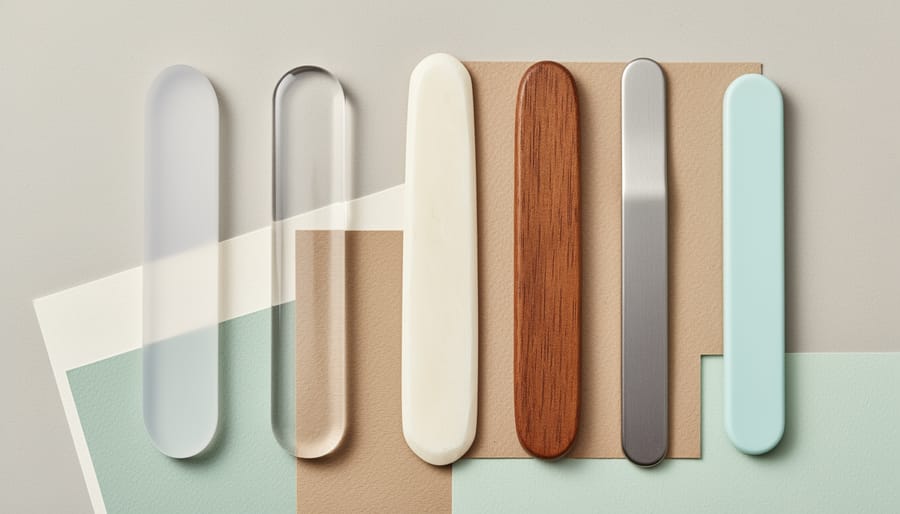
Start with the material. Traditional bone folders are carved from actual bone, usually cattle bone, and offer an exceptionally smooth surface that won’t scratch or tear delicate paper. They’re the gold standard for bookbinding purists and feel substantial in your hand. Teflon bone folders, on the other hand, are favored for projects involving adhesives because glue won’t stick to them. If you’re planning to repair books or work with paste, Teflon saves you constant cleanup. Plastic versions are lightweight and budget-friendly, ideal if you’re testing the waters before committing. Bamboo and wood options appeal to those who prefer sustainable materials, though they can develop rough spots over time and may need occasional sanding.
| Material | Best Uses | Feel/Texture | Key Considerations |
|---|---|---|---|
| Bone | General bookbinding, creasing fine papers | Dense, ultra-smooth | Classic choice; won’t mark paper |
| Teflon | Projects with adhesives, paste-downs | Slick, non-stick | Easy to clean; glue slides right off |
| Plastic | Beginners, everyday folding | Light, firm | Affordable entry point |
| Bamboo/Wood | Eco-conscious crafters | Warm, organic | May need maintenance over time |
Size matters more than you might think. A six-inch bone folder fits comfortably in most hands and handles everything from bookmarks to full-page folds. Shorter versions work for tight corners and detail work, while longer ones give you leverage on large sheets. If you’re just starting, a standard mid-length tool is your best bet.
The tip design splits into two camps: pointed and rounded. Pointed tips excel at scoring paper before folding and getting into tight spine crevices when rebacking a book. Rounded tips are gentler and less likely to puncture delicate pages, making them safer for general creasing. Some bone folders offer one pointed end and one rounded end, giving you versatility without buying two tools.
Think about what you’ll actually make. If you’re drawn to journal-making and bookbinding, traditional bone or Teflon will reward you with professional results. Repairing old paperbacks or crafting bookmarks? A simple plastic folder does the job beautifully. The right bone folder is the one that matches your ambitions and feels good when you pick it up.
How to Use a Bone Folder (The Basics)
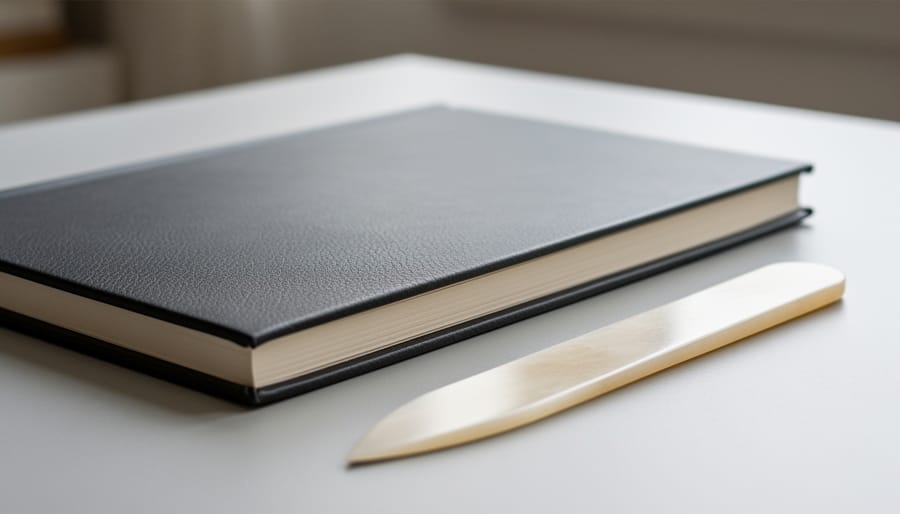
Using a bone folder isn’t complicated, but a few core techniques will transform your paper crafts from amateur to polished. Let’s walk through the essentials so you can start creasing, scoring, and burnishing with confidence.
Creasing for Clean Folds
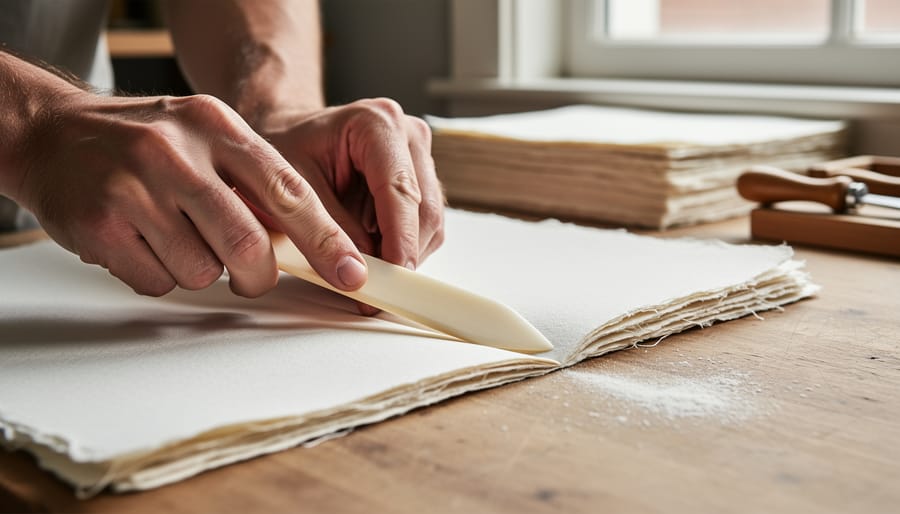
The most common use is creating crisp, professional folds. Fold your paper by hand first, then run the flat edge of the bone folder along the crease with firm, steady pressure. Work from one end to the other in a single smooth motion rather than scrubbing back and forth. The tool compresses the paper fibers, setting the fold without cracking or weakening the sheet. This technique is invaluable when you’re following a saddle stitch guide or folding signatures for any bookbinding project.
Scoring Before You Fold
For thicker paper or cardstock, score first. Place a metal ruler where you want the fold, then draw the pointed tip of the bone folder along the ruler’s edge with moderate pressure. You’re creating a shallow groove that guides the fold and prevents the outer surface from cracking. Don’t press so hard you cut through, you want an indentation, not a slice. Once scored, the paper will fold exactly where you intended with a clean, sharp edge.
Burnishing for a Professional Finish
Burnishing means rubbing sealed edges or glued surfaces to make them lie flat and bond securely. After applying adhesive to a book cover or endpaper, lay it in position and rub the bone folder over the join with firm, overlapping strokes. The smooth surface prevents tearing and creates a glossy, finished look on most papers. It’s the difference between a lumpy, amateur binding and one that looks store-bought.
Common Mistakes to Avoid
Don’t rush. Quick, jerky movements can tear delicate paper or create uneven folds. Keep consistent pressure, too light and you won’t set the crease; too heavy and you’ll dent or score unintentionally. Always test on scrap paper first, especially with handmade or textured sheets that behave differently than standard bond.
With these basics, you’re ready to tackle most paper and bookbinding projects. The bone folder rewards patience and a steady hand, and after a few practice sessions, these techniques will feel second nature.
Where the Bone Folder Fits in Your Reading Life
A bone folder becomes most valuable when you weave it into the daily rhythms of your reading life, transforming passive consumption into active creation. Start with a reading journal where you document quotes, reactions, and insights, using your bone folder to create crisp, inviting pages that feel substantial in your hands. The tool ensures each fold is sharp, each signature properly nested, giving your journal the polished look of something you’ll treasure for years.
Custom bookmarks make perfect weekend projects. Fold decorative paper, score it cleanly with your bone folder, and burnish the edges smooth. These small gifts become conversation starters when you lend books to friends, carrying your enthusiasm beyond your own shelves. Consider incorporating literature games into book club gatherings where members craft bookmarks together, combining reading discussion with hands-on creation.
Your bone folder also serves as a gentle repair tool for damaged pages in beloved volumes. That dog-eared corner or wrinkled page in your favorite novel can be carefully flattened and burnished back to near-original condition, extending the life of books you can’t imagine parting with.
Build a personal library of handbound notebooks for different reading purposes: one for poetry drafts, another for book recommendations, a third for literary quotes that move you. Stack these handmade volumes among your printed books, and suddenly your bookshelf ideas expand to include your own creations. Each project deepens your connection to the physical presence of books, making you not just a reader but a maker in your own literary world.
Learning More: Resources for Aspiring Book Crafters
The best teachers often live in your own community. Public libraries frequently host bookbinding workshops or can point you toward local craft groups that do. Community arts centers and maker spaces offer classes ranging from single-session introductions to multi-week courses, call ahead or check their websites to see what’s coming up. You’ll often find these programs welcoming to complete beginners, and the hands-on guidance makes a real difference when you’re first learning to fold, stitch, and bind.
Online, video tutorials give you the freedom to learn at your own pace. Look for instructors who show close-ups of their hands working with the tools, explain why each step matters, and demonstrate common mistakes to avoid. The quality varies widely, so preview a few videos before committing your time. Bookbinding guilds and paper arts societies maintain member directories and online forums where experienced crafters answer questions and share techniques, many welcome enthusiasts at all skill levels.
Self-directed learning works well once you understand the basics. Start with simple projects like single-signature notebooks or pamphlet stitching, then build complexity as your confidence grows. The maker community around book crafts tends to be generous with advice and encouragement. Seek out that community, whether locally or online, and you’ll find people eager to share what they’ve learned and celebrate your first finished bindings.
Picking up a bone folder isn’t just about adding another tool to your desk, it’s about claiming a hands-on role in your reading life. When you crease a page, burnish an edge, or repair a beloved book’s spine, you’re engaging with literature as a physical, crafted object, not just a vessel for words. That tactile connection deepens how you experience and remember the stories you love.
This simple tool opens a door. Beyond it lies a welcoming community of readers who bind journals, craft custom covers, and share techniques with the same enthusiasm they bring to discussing favorite novels. You don’t need advanced skills or expensive equipment to start. A bone folder, some paper, and curiosity are enough.
As you explore these crafts, you’ll find they honor books in a new way, not by consuming them faster, but by slowing down to make something lasting with your own hands. Whether you’re repairing a treasured volume or creating a handmade gift for a fellow reader, you’re joining a tradition that reminds us books are worth touching, shaping, and preserving.
About Author
